How Was the National Alliance Formed? Muhyiddin's Government Existed First, Official Coalition Followed Later
UMNO and GPS once supported the PN government without becoming part of it; BERSATU and PAS later restructured MPs into a 2022 electoral force
The most common misunderstanding about Perikatan Nasional is the ordering of events.
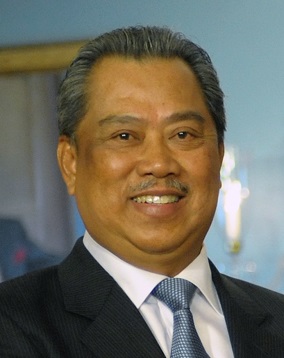
Muhyiddin first became the prime minister of a “PN government.” Several months later, PN was officially registered as a coalition. 1,2,3
On 1 March 2020, the Yang di‑Pertuan Agong believed Muhyiddin was most likely to gain the confidence of a parliamentary majority and nominated him as the eighth prime minister. His support came from BERSATU, PAS, BN, GPS and other parties. That governing coalition was immediately dubbed Perikatan Nasional. 1,2
However, supporting the PN government is not the same as being a member of PN.
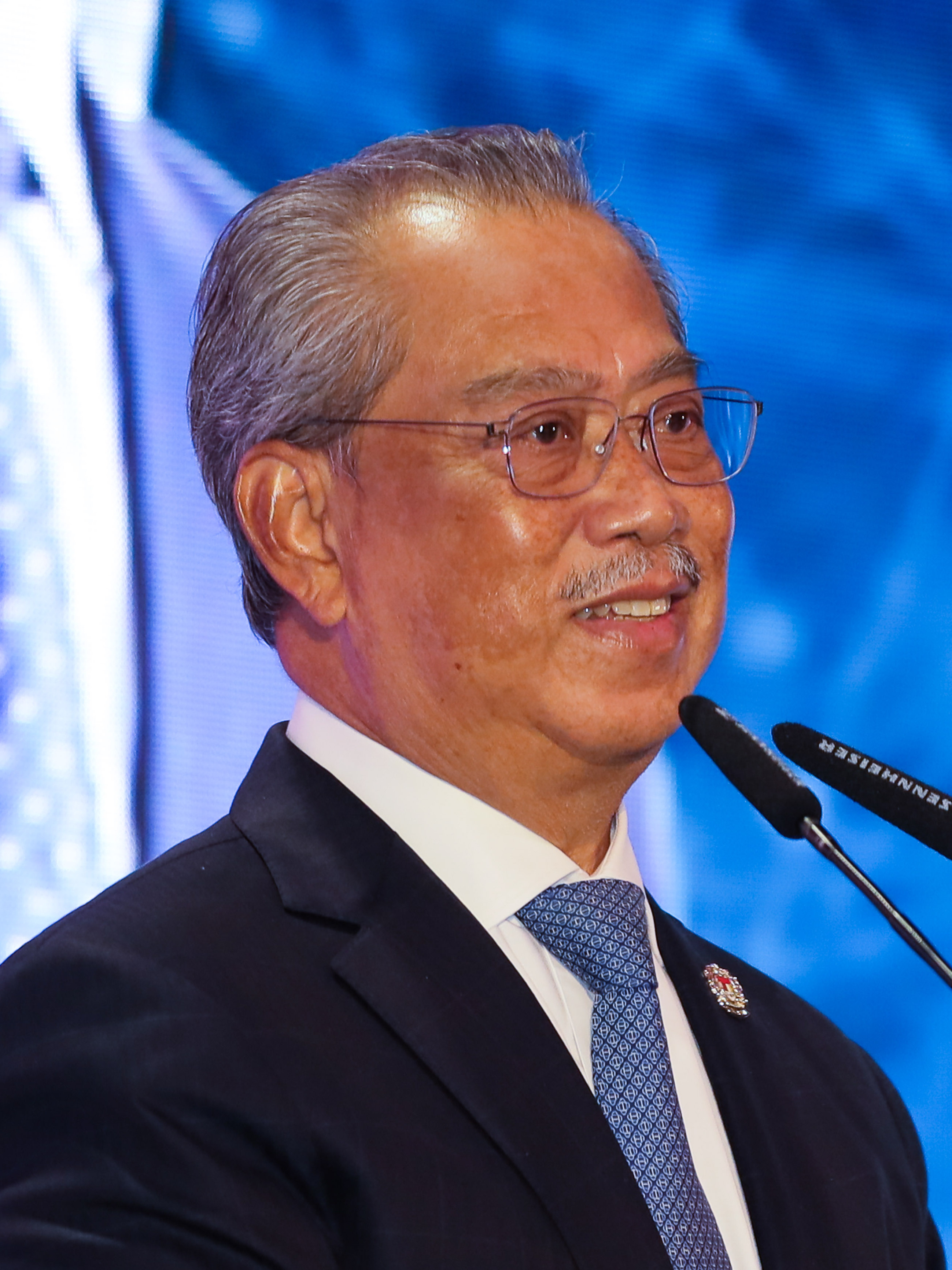
Same majority table, different membership list#
UMNO MPs and BN supported Muhyiddin in forming the government, and some of them were appointed to the Cabinet. GPS also backed the federal government.
BN later insisted that formal inclusion in PN required consent from its component parties. UMNO ultimately did not become a PN member, while GPS maintained its own identity. When PN was registered, its core consisted of BERSATU and PAS alongside smaller partners; Gerakan joined thereafter. 2,3,4
This difference determines who allocates candidate seats, uses a shared emblem, and selects a coalition leader. A government's majority can be built through external support, but a party coalition requires a constitution, members, and its own electoral machinery.
Equating the two yields a narrative that UMNO joined PN before “betraying” and leaving. A more accurate explanation is that UMNO supported Muhyiddin's government while continuing to compete with BERSATU in the same Malay constituencies. 1,2,3
BERSATU has a leader, PAS has machinery#
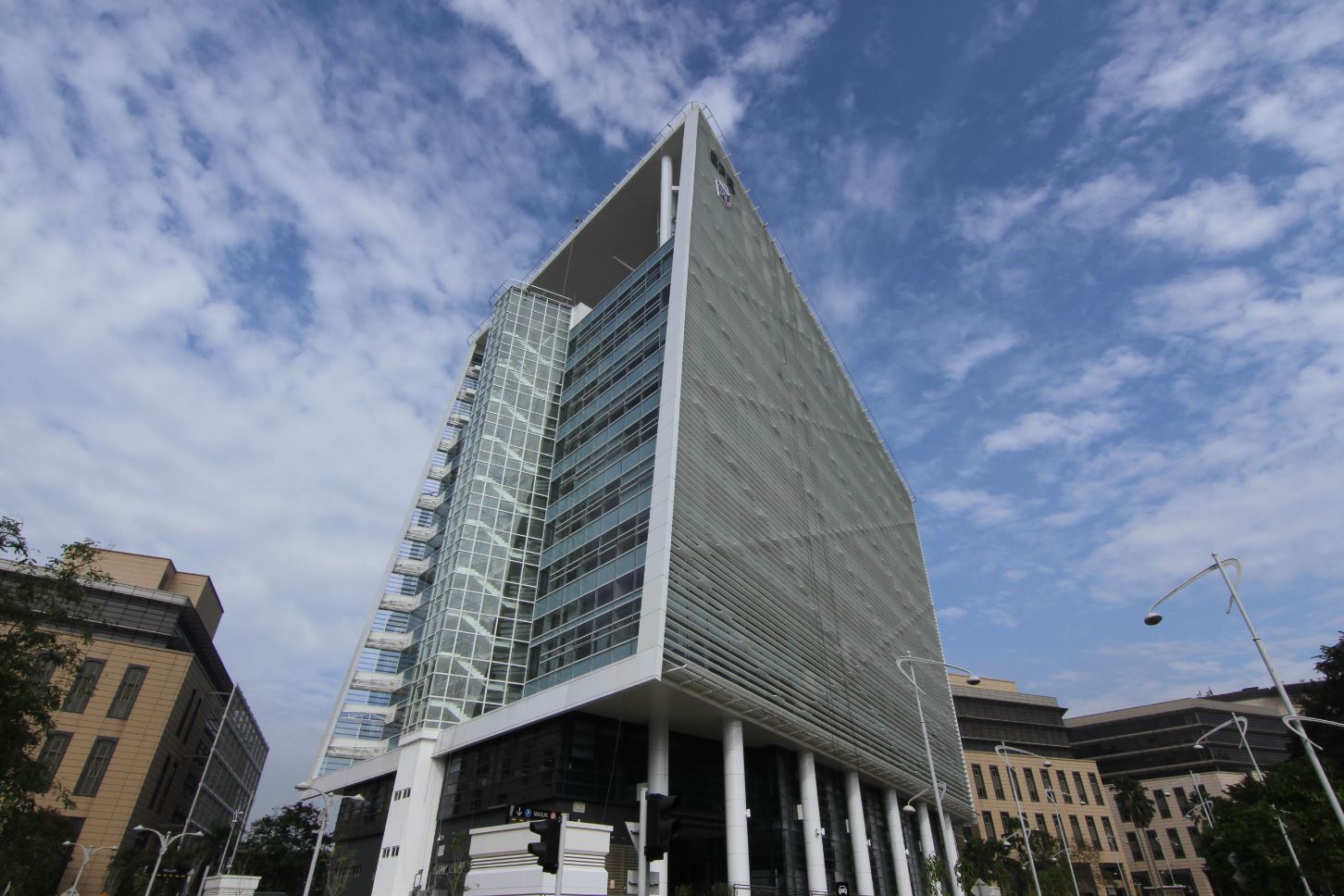
The main shift in PN is evident. BERSATU has a prime minister and a group of MPs who moved from UMNO and PKR. PAS has a longer‑established grassroots organization, an Islamic network, and factions in the north and East Coast. Gerakan presents a multi‑ethnic image and some non‑Malay candidates, but is not an electoral force on par. 1,3,5
Muhyiddin's government lost its majority in 2021 after UMNO withdrew crucial support and he resigned. If PN were merely a temporary label to groom a prime minister, the story would have ended there.
It didn't end.
Seventy‑four seats turn a “backroom government” into the opposition#
In the 15th General Election of 2022, PN ran with its own flag and candidate system and won 74 seats. PAS secured 43 and BERSATU 31; PAS became the single largest party in the Dewan Rakyat. 5,6
That result did not revalidate the way the government had changed in 2020 or eliminate the “backroom” dispute. However, PN subsequently secured a genuine mandate and can no longer be described merely as a list assembled in a hotel. It combined anger at UMNO corruption, Malay‑Muslim identity politics, PAS machinery, and memory of Muhyiddin era welfare to become a force capable of defeating UMNO at the polls. 5,6
In the 2023 six‑state election, PN continued to dominate Kedah, Kelantan and Terengganu, while expanding in Malay seats in Penang, Selangor and Negeri Sembilan. Together with Perlis, which it captured in 2022, it became the most important governing bloc in the North and East Coast. 5,6
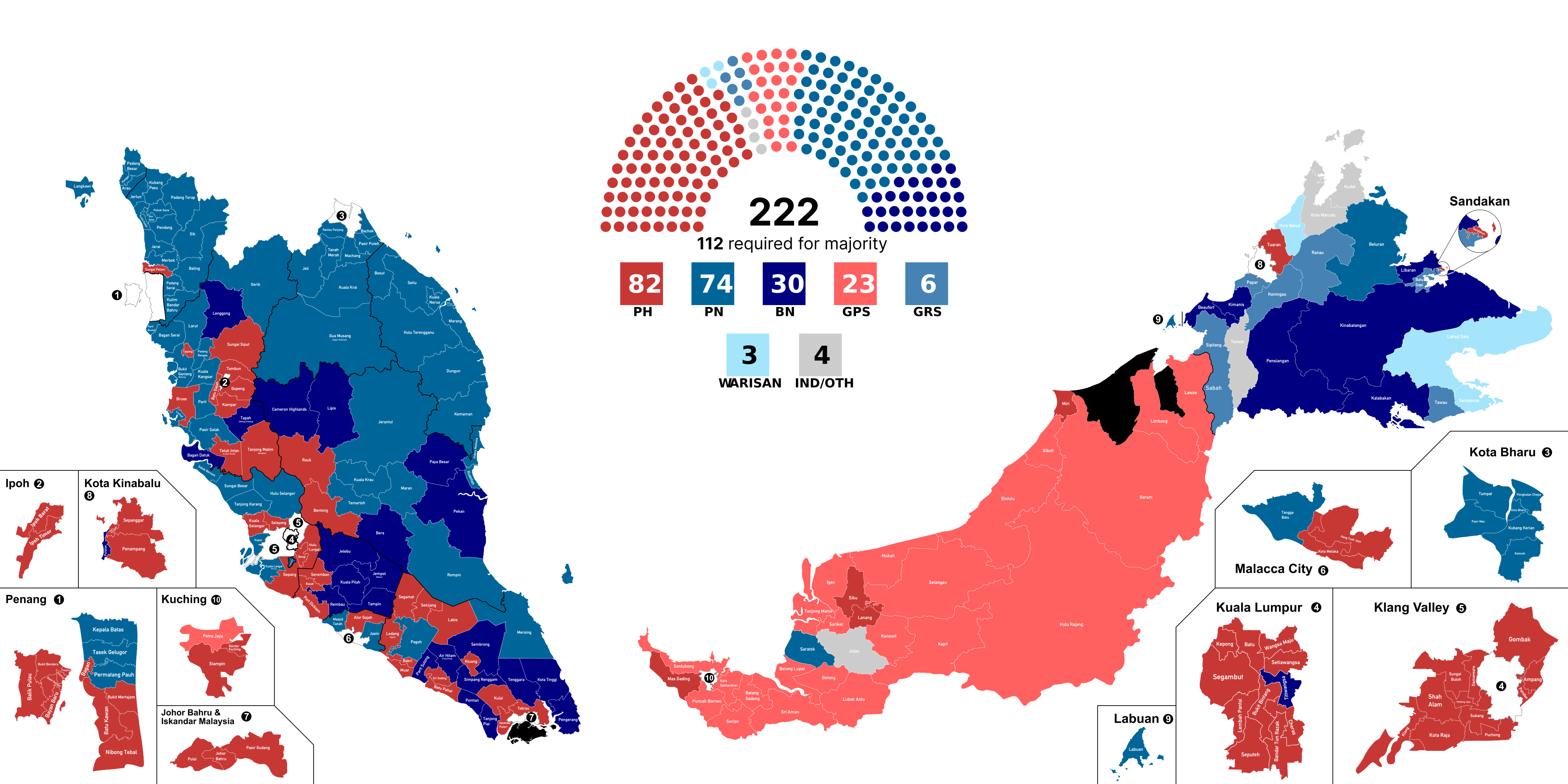
Towards 2026, the coalition remains alive but its focus has shifted#
At the beginning of 2026, Muhyiddin stepped down as PN chairman and was replaced by the Terengganu Chief Minister and PAS deputy president, Ahmad Samsuri Mokhtar. In June, PN welcomed PEJUANG and Parti Cinta Malaysia; BERSATU remained despite tensions over leadership and cooperation. 7,8,4
That change brought a strong symbol. In 2020, PN appeared as the coalition that Muhyiddin used to assemble the government. By 2026, its chairmanship came from PAS, a party that also had more MPs and a stronger state government. BERSATU remained active and Muhyiddin still led it, but the coalition's weight had moved toward PAS. 5,7,8
The coalition is not stable, the highway is already empty#
Initially, the PN government faced majority and mandate disputes. Within three weeks, it accepted the unwanted tasks of any new government: closing borders, schools, shops, and most workplaces.
Sources 8 Every important claim here can be checked. Open it and see.
Do not trust this site. Check it — every source below is clickable.
This site is written with AI assistance. Please check us.
AI can invent citations that look completely convincing — a real author's name, a plausible title, a sensible year, for a work that does not exist. This is not a theoretical risk; it is a known failure mode. That is why every source on this site is clickable. If a reference cannot be found anywhere, it may well not exist — and we want to know.
How to check us →

Reader Comments
Be the first to share your thoughts.